Bio Innovations Europe 2026: Industry insights for the next generation of synthetic biologists
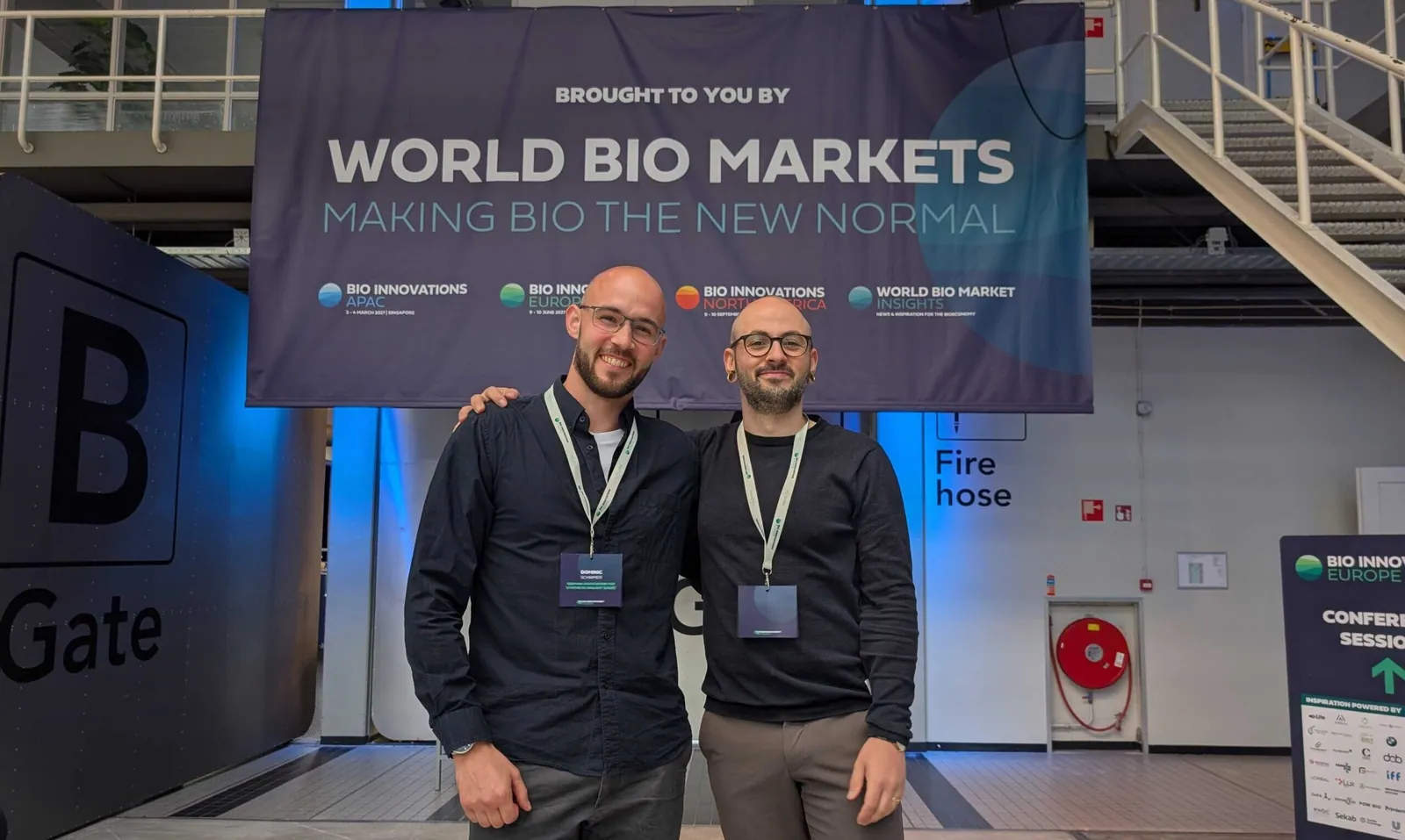
As a partner of Bio Innovations Europe, GASB was delighted to attend this year’s event in The Hague. Current Steering Committee member Dominic Schirmer and former Steering Committee member Hendrik Cooper represented GASB, connecting with startups, companies, and innovation organizations from across Europe’s industrial biotechnology ecosystem. The event provided an excellent opportunity to better understand where the biotechnology sector is heading and how the next generation of synthetic biologists can position themselves within this rapidly evolving landscape. Here are our biggest takeaways.
1. The market defines the problem
Successful innovation starts with understanding market needs. It is tempting for researchers to develop exciting new technologies first and then search for applications later. However, conversations throughout the event consistently reinforced the opposite approach: identify an important problem first, understand who is willing to pay to solve it, and only then build the technology around that need.
2. Large companies need startups
Most established companies have a strategy to partner with startups. They see startups as an important source of innovation, especially in emerging fields such as biotechnology. Rather than developing every technology themselves, they actively look for partners with complementary expertise. Joining industry does not necessarily mean becoming an employee. For many scientists, founding a startup is an increasingly realistic path into industry.
3. Sustainability alone is not enough
Virtually every company we spoke to emphasized the importance of sustainability. However, one message was equally clear: sustainability by itself is rarely sufficient. A biotechnological solution must also be economically competitive, perform at least as well as the existing alternative, and fit into established industrial value chains.
4. Europe is building a biotechnology ecosystem
One encouraging observation was that Europe is no longer investing only in biotechnology research, but increasingly in the ecosystem required to translate research into successful products and companies. Alongside political initiatives such as the proposed EU Biotech Act, organizations such as Bio Base Europe Pilot Plant, VTT, CLIB, and EuropaBio are creating the infrastructure needed to support scale-up, technology transfer, industrial collaboration, networking, and policy. Together, they lower the barriers between academic discoveries and real-world applications.
5. Collaboration is becoming the default
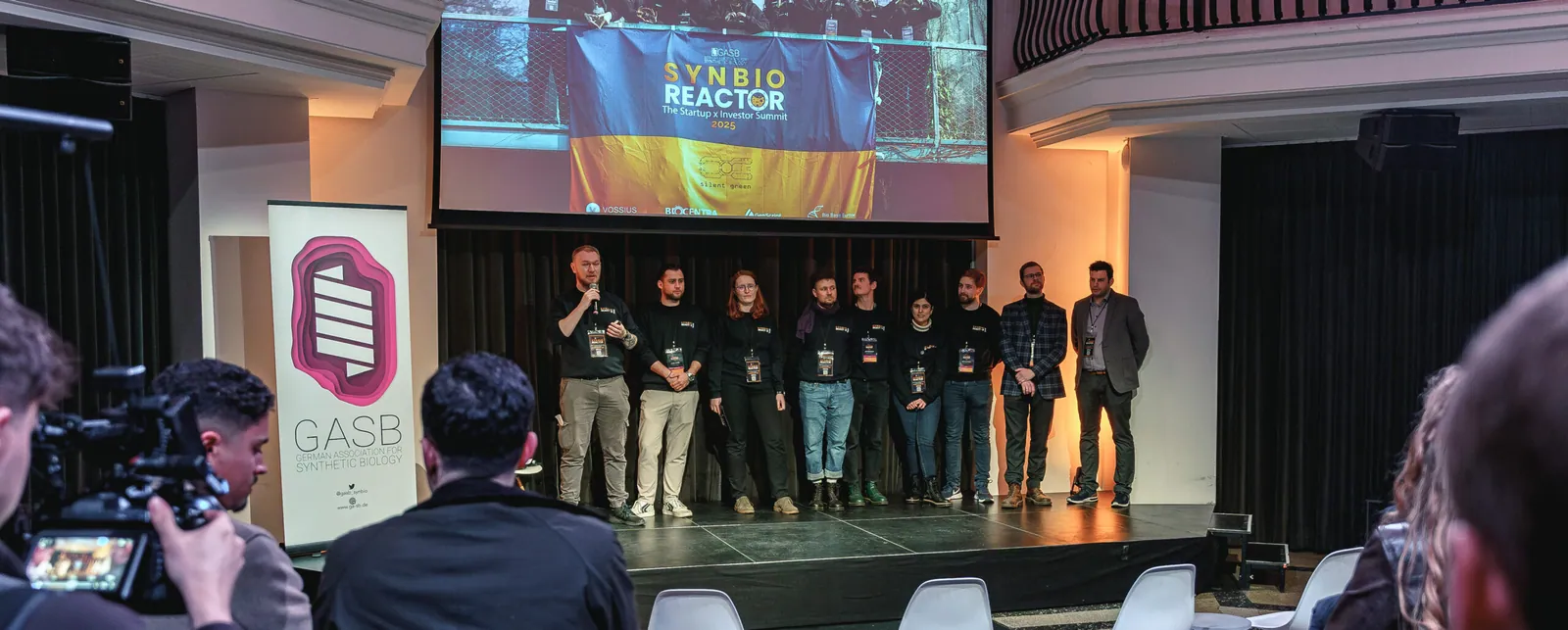
Across discussions with startups, multinational companies, and ecosystem organizations, one message was clear: solving the major challenges facing biotechnology requires partnerships across disciplines and sectors. This was also reflected in the strong interest many participants showed in SynBioReactor, organized by GASB. Conversations throughout the event confirmed the need for platforms that connect students, researchers, startups, industry, and ecosystem organizations. Looking ahead One quote from Dr. Karl-Heinz Füller captured it particularly well: “Biotechnology is not a disease that is going to go away.” Biotechnology has existed for decades and has experienced periods of both high expectations and slow progress. However, scientific advances, growing industrial demand, and increasing political support are now aligning in a way that could make the coming years particularly exciting for the next generation of synthetic biologists. We would like to thank the Bio Innovations Europe team again for an excellently organized event and for being a valued partner of GASB. We are looking forward to continuing and expanding this partnership in the years to come.